 Dothan AC Repair
Heat Pump Thermostat Settings
Heat pump thermostat settings work differently from furnace settings, and using furnace habits on a heat pump can raise your winter bill. A few small changes keep the expensive backup heat off.
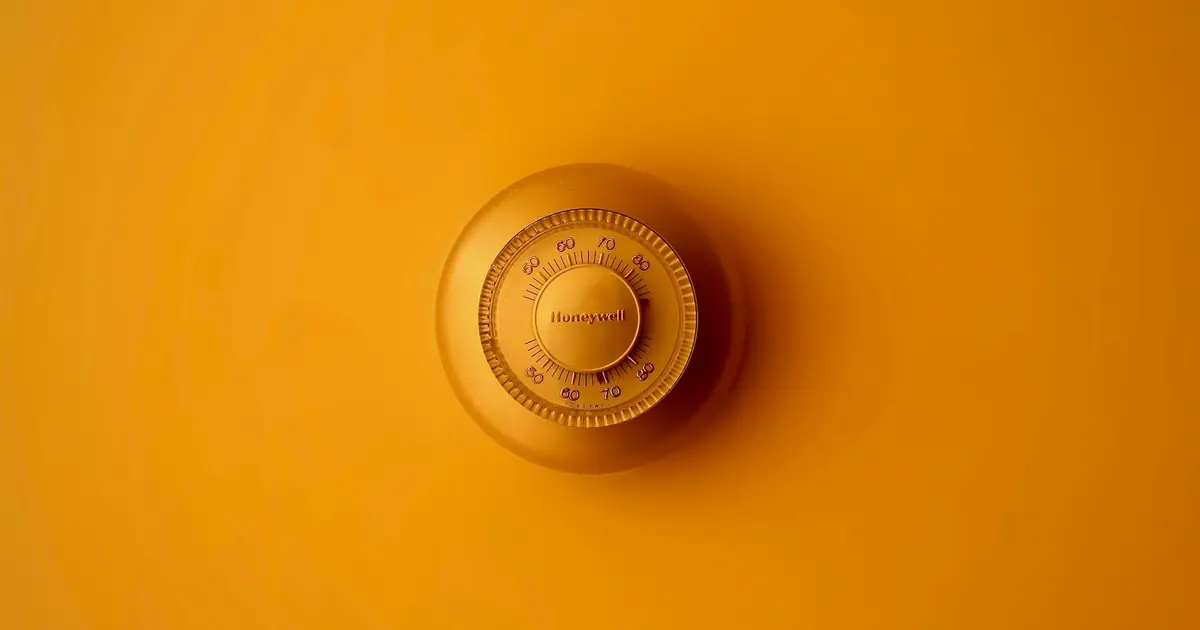
The short answer: pick a comfortable temperature and leave it there in winter, keep the fan on auto, and never use emergency heat unless the outdoor unit has failed. The U.S. Department of Energy says not to set back a heat pump's thermostat if it causes the backup heating to come on.
Why Setbacks Backfire on a Heat Pump
With a gas furnace, turning the heat down overnight and back up in the morning is standard advice. A heat pump is different. It warms a house gradually. When the thermostat sees a large gap between the room temperature and the setting, it calls for help from the backup heat, which is a bank of electric resistance strips in the air handler. The Department of Energy notes that those backup systems are usually more expensive to operate because they are less efficient (operating and maintaining your heat pump).
So the morning recovery can use more electricity than the overnight setback saved. ENERGY STAR makes the same point: unlike a furnace or boiler, heat pumps do not save energy by turning them down when you are away or asleep.
What the Thermostat Labels Mean
| Label | What it means | When you should see it |
|---|---|---|
| Heat | Normal heat pump operation | Most of the time |
| Aux or auxiliary heat | Backup strips are helping the heat pump | Briefly during defrost, on the coldest mornings, or after a large temperature change |
| Em heat or emergency heat | Heat pump is switched off and strips alone are heating | Only when you select it because the outdoor unit has failed |
| Fan auto | Blower runs only when heating or cooling | Always, in most homes |
| Fan on | Blower runs continuously | Rarely |
Auxiliary Heat Is Normal in Small Doses
Seeing the aux light for a few minutes during a defrost cycle or on a 25-degree morning is how the system is designed. Seeing it every time the heat runs on a 50-degree afternoon is not. That pattern suggests the heat pump itself is not producing heat, and the strips are carrying the house. The usual result is a startling power bill. If that describes your system, see heat pump blowing cold air and call a technician.
Emergency Heat Is for Emergencies
The emergency heat setting locks the heat pump out. It exists so you can keep the house warm on the strips if the outdoor unit breaks down or ices over. It is not a boost for cold weather, and leaving it on by mistake is one of the most common reasons for a very high winter bill. If you switch it on, switch it back as soon as the system is repaired.
Fan Setting
The Department of Energy recommends operating the system on the auto fan setting. It notes that continuous indoor fan operation can degrade heat pump performance unless the system has a high-efficiency, variable-speed fan motor. In a Dothan summer there is another reason: with the fan on continuously, moisture that collected on the indoor coil can be blown back into the house between cooling cycles.
Use the Right Kind of Thermostat
The Department of Energy suggests a programmable thermostat with multistage functions suitable for a heat pump. A thermostat designed for heat pumps can raise the temperature gradually, bringing the house back up without calling for the strips. A basic thermostat meant for a furnace, or a smart thermostat set up with the wrong equipment type, will run the strips far more than necessary. If your thermostat was replaced and bills rose afterward, have the setup checked. Alabama Power lists a reimbursement of up to $200 on qualifying smart thermostats for its customers. See HVAC rebates in Dothan.
Summer Settings
In cooling mode a heat pump behaves like any air conditioner, and there are no backup strips to worry about. A modest setback while you are away is fine. Avoid very large swings on the hottest days. A house allowed to reach the upper 80s takes hours to bring back down, and the walls and furniture have to cool along with the air. For comfort, humidity matters as much as temperature. The EPA recommends keeping indoor humidity below 60 percent, ideally between 30 and 50.
A Simple Routine
- Winter: one steady setting, or setbacks of only a couple of degrees
- Fan on auto all year
- Emergency heat off unless the outdoor unit is down
- If the aux light is on in mild weather, call for service
- Filter checked monthly, changed at least every three months
If the system cannot hold a steady setting without the backup heat, the problem is the equipment rather than the thermostat. Start with heat pump repair.
More on Heat Pump Repair in Dothan
This guide belongs with our main page on the subject: Heat Pump Repair in Dothan, AL: Service & Installation.
Related reading:
- Heat Pump Blowing Cold Air in Winter? Normal or Not
- How a Heat Pump Works, in Plain English, for Dothan Homes
Frequently Asked Questions
Should I turn my heat pump down at night?
Not by much. The Department of Energy advises against setting back a heat pump's thermostat if it causes the backup heating to come on. A steady setting usually costs less.
What does aux heat mean on my thermostat?
Auxiliary heat means the electric backup strips are running along with the heat pump. Brief use in cold weather or during defrost is normal. Constant use in mild weather points to a problem.
What is the difference between auxiliary heat and emergency heat?
Auxiliary heat comes on automatically to assist the heat pump. Emergency heat is a manual setting that turns the heat pump off and runs only the strips.
Should the fan be on auto or on?
Auto. The Department of Energy says continuous fan operation can degrade heat pump performance unless the system has a high-efficiency variable-speed fan motor.
Call Now: (334) 334-7815 Get a Free Quote
Published by Dothan AC Repair, a service of Customer Courier LLC. Last updated .