 Dothan AC Repair
Leaky Air Ducts
Leaky air ducts are the problem nobody sees. The equipment runs, the bill arrives, and part of the air you paid to cool never reached a room.
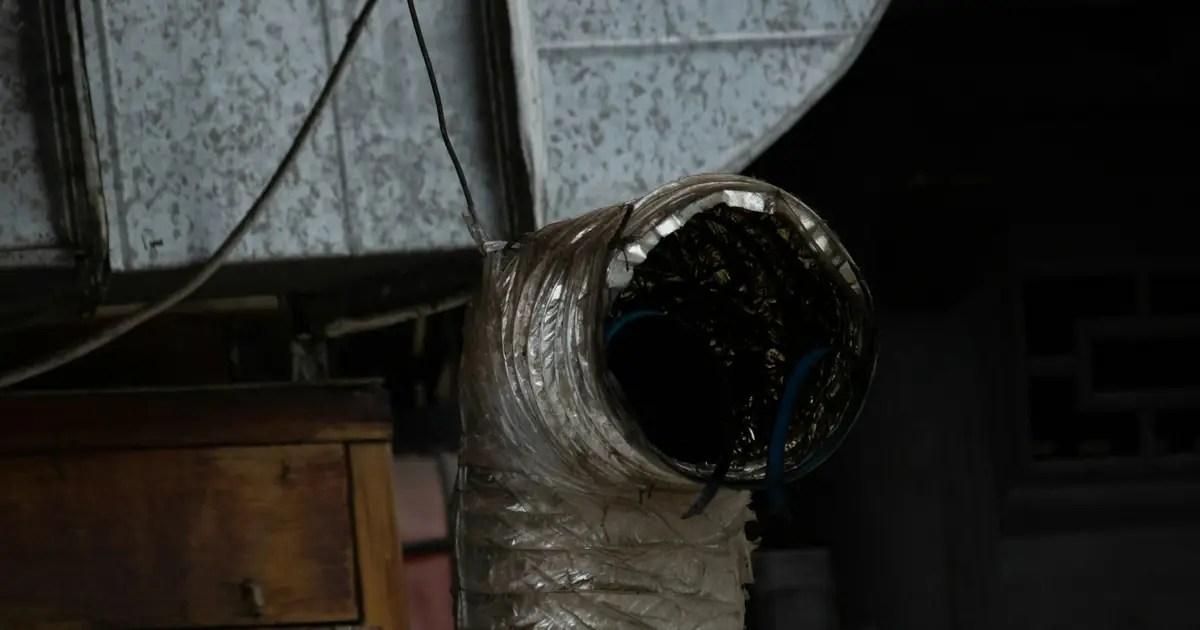
The short answer: ENERGY STAR estimates that in a typical house about 20 to 30 percent of the air moving through the ducts is lost to leaks, holes, and poorly connected ducts. If some rooms never match the thermostat and the ducts run through the attic or crawl space, have them inspected before spending money on bigger equipment.
Signs Your Ducts May Be Leaking
ENERGY STAR's duct sealing guidance lists these signs of poorly performing ducts:
- High summer and winter utility bills
- Rooms that are difficult to heat and cool
- Stuffy rooms that never seem to feel comfortable
- Ducts located in an attic, crawl space, or garage
- Tangled or kinked flexible ducts
Other clues: a house that is dustier than it should be, a filter that loads up fast, or a room at the end of a long duct run that barely gets any air.
Why It Matters More in a Hot, Humid Place
Many homes around Dothan have their ducts in the attic. A supply duct leak there sends cooled air into a space that is hotter than the outdoors on a summer afternoon. A return duct leak is worse in a different way: it pulls hot, damp attic or crawl space air into the system, which then has to cool and dry it.
That extra moisture matters. The Environmental Protection Agency says indoor relative humidity should stay below 60 percent, ideally between 30 and 50. A system fighting leaky return ducts in August has a harder time holding that line.
How Ducts Are Sealed Properly
- Mastic or metal tape. ENERGY STAR says to seal leaks with mastic sealant or metal tape, and adds: "Never use duct tape, as it is not long-lasting."
- Connections first. The joints at the indoor unit, at each branch, and at the boot behind each vent are where most leaks are found.
- Insulation after sealing. Ducts in an attic or crawl space should be insulated once they are tight.
- Support and straighten flex duct. A sagging or kinked run chokes airflow even if it does not leak.
- Test afterward. A contractor can measure duct leakage before and after, so you are not taking the result on faith.
ENERGY STAR says sealing and insulating ducts can improve the efficiency of a heating and cooling system by as much as 20 percent.
What You Can Check Yourself
- With the system running, feel along any ducts you can safely reach for moving air at the joints.
- Look for sections that have come apart, been crushed by stored boxes, or sagged between supports.
- Look for dark, dusty streaks on duct insulation. Air leaking through insulation leaves a dirt trail.
- Check that every vent in the house has airflow and that none are blocked by furniture.
- Remove a vent cover and look at the gap between the metal boot and the drywall. That gap is a common small leak.
Be careful in an attic. Step only on framing, and stay out of it in the heat of the day. A crawl space inspection is best left to someone equipped for it.
What Duct Work Costs
We have found no published Dothan prices for duct work. For scale, AskDoss, a home-finance information site, gave these Alabama estimates in August 2026:
| Job | Alabama estimate (AskDoss, Aug 2026) |
|---|---|
| Duct sealing | $1,500 to $3,500 |
| Partial duct replacement | $2,000 to $5,000 |
| Complete duct replacement | $5,000 to $12,000 |
PickHVAC, a national guide, put new ductwork at $10 to $50 per linear foot in May 2026. Neither source is a Dothan quote. The real number depends on how much duct there is, how hard it is to reach, and whether it needs sealing or replacing.
Fix the Ducts Before You Size New Equipment
If you are replacing a system, have the ducts looked at first. A unit sized to overcome leaky ducts is larger than the house needs, and an oversized unit short cycles and leaves the air damp. Tight ducts may let a smaller system do the job. Our guide to what size AC unit you need explains the load calculation, and the AC installation page covers what a good replacement quote includes.
Is Duct Replacement Permitted Work?
In Dothan, mechanical (AC) work has its own permit, separate from the building permit. Whether a particular duct job needs one depends on its scope, so ask the contractor or the City of Dothan Permits office at (334) 615-4450. See our HVAC permit guide.
More on AC Maintenance in Dothan
This guide belongs with our main page on the subject: AC Maintenance in Dothan, AL: Tune-Ups & Service.
Related reading:
Frequently Asked Questions
How do I know if my air ducts are leaking?
Common signs are high bills, rooms that are hard to cool or heat, stuffy rooms, and ducts that run through an attic, crawl space, or garage. A contractor can confirm it with a duct leakage test.
How much air do leaky ducts lose?
ENERGY STAR estimates that in a typical house about 20 to 30 percent of the air moving through the duct system is lost to leaks, holes, and poor connections.
Can I seal air ducts with duct tape?
No. Despite the name, ENERGY STAR says never to use duct tape because it does not last. Use mastic sealant or metal tape.
Is duct sealing worth it?
ENERGY STAR says sealing and insulating ducts can improve system efficiency by as much as 20 percent. It is most worthwhile when ducts run through an attic or crawl space, which is common around Dothan.
Should I replace ducts when I replace my AC?
Not automatically. Have them inspected. Sound ducts can be sealed and kept. Ducts that are crushed, undersized, or falling apart should be repaired or replaced so the new system is not held back by them.
Call Now: (334) 334-7815 Get a Free Quote
Published by Dothan AC Repair, a service of Customer Courier LLC. Last updated .